
What to Do in a Dental Emergency: A Practical Guide
Emergency dental care options are crucial when unexpected issues arise. Knowing how to respond to a dental emergency can significantly affect the outcome of your treatment and comfort level.
Recognizing a Dental Emergency
Understanding what constitutes a dental emergency is the first step. Common situations include:
- Severe Toothache: Persistent pain may indicate a serious problem like an infection or decay.
- Chipped or Broken Tooth: Accidents can lead to fractures that require immediate attention.
- Knocked-Out Tooth: This requires prompt action to increase the chances of successful re-implantation.
- Lost Filling or Crown: A missing restoration can lead to further damage or discomfort.
- Swelling or Bleeding: Unexplained swelling or bleeding from the gums can signal an urgent issue.
Initial Steps to Take
When faced with a dental emergency, your immediate actions matter. Here’s what you should do:
1. Remain Calm
Staying calm will help you think clearly and make better decisions. Take a deep breath and assess the situation.
2. Contact Progressive Dental
Reach out to Progressive Dental at 405-632-5561. Our team is equipped to handle emergency situations and can provide guidance on immediate next steps.
3. Manage Pain and Discomfort
While waiting for your appointment, consider over-the-counter pain relievers like ibuprofen or acetaminophen. Avoid applying heat or ice directly to the affected area unless advised by a professional.
Specific Situations and What to Do
Each dental emergency may require specific actions. Here’s a breakdown:
Severe Toothache
Gargle with warm salt water to clean the affected area. If swelling occurs, apply a cold compress to the outside of your cheek.
Chipped or Broken Tooth
Rinse your mouth with warm water and apply a cold compress to reduce swelling. If you can find the broken piece, bring it to your appointment.
Knocked-Out Tooth
Handle the tooth by the crown, avoiding the root. Rinse it gently with water if dirty and try to reinsert it in the socket. If that’s not possible, place it in a container of milk or saline solution and get to the dentist as soon as possible.
Lost Filling or Crown
If a filling or crown has fallen out, avoid chewing on that side of your mouth. If possible, place the crown back on the tooth. You can use dental cement or sugar-free gum to temporarily hold it in place until your visit.
Swelling or Bleeding
Apply gauze to the area to control bleeding. If swelling persists, a cold compress may help reduce it. If symptoms worsen, seek immediate care.
Emergency Dentistry at Progressive Dental
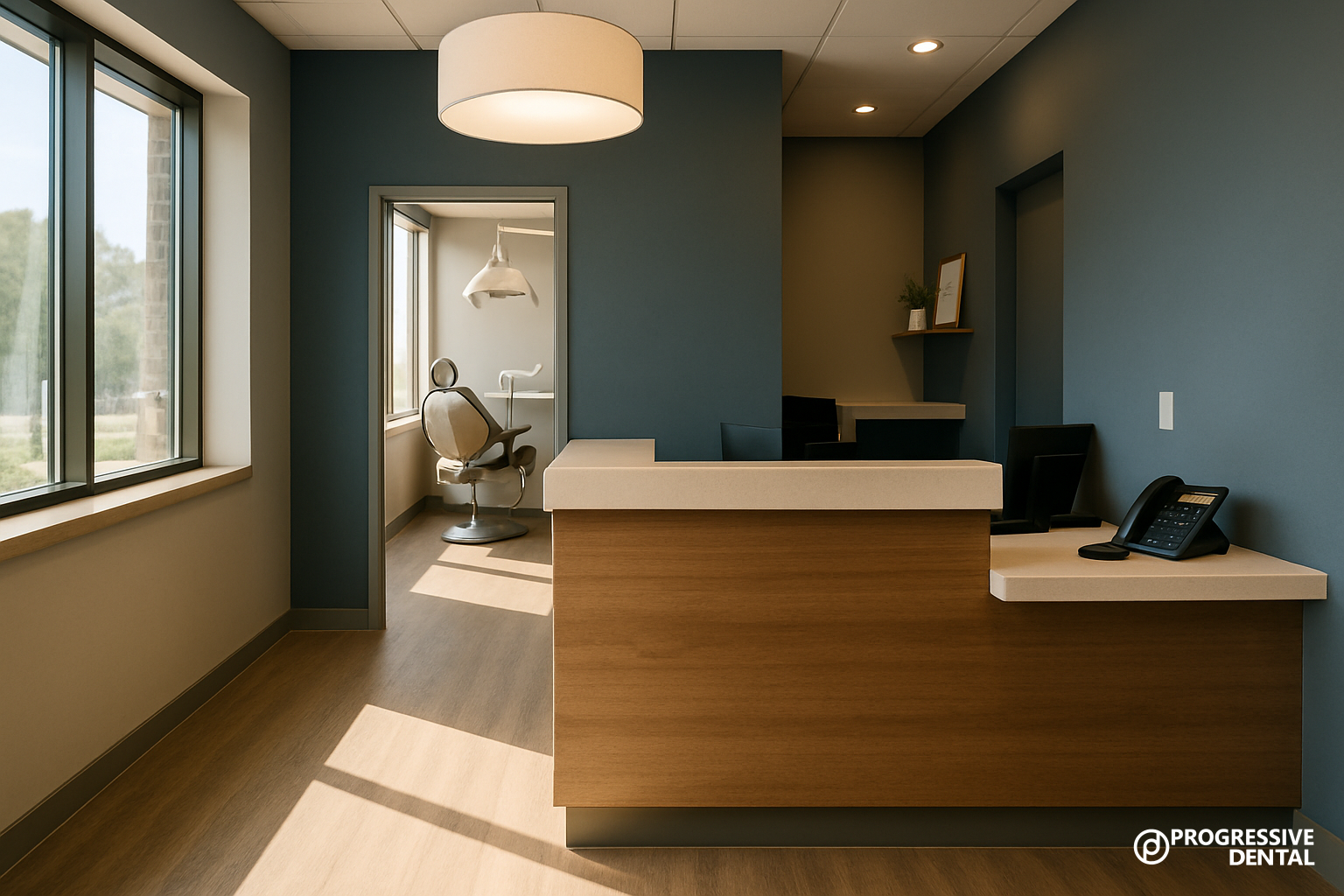
At Progressive Dental, we offer same-day emergency dentistry in Oklahoma City. Our team understands that dental emergencies can be stressful, and we strive to provide a reassuring, comfortable environment for treatment.
Preventive Measures
Taking steps to prevent dental emergencies can save you from unexpected situations. Consider the following:
- Regular Check-ups: Routine cleanings and exams can identify potential problems before they become emergencies.
- Protective Gear: If you play sports, wear a mouthguard to protect your teeth.
- Healthy Habits: Maintain good oral hygiene to reduce the risk of cavities and infections.
Conclusion
Being prepared for a dental emergency can make a significant difference. Knowing your emergency dental care options and having the contact information for your dentist handy will help you act swiftly and effectively. If you need immediate assistance, reach out to Progressive Dental at 405-632-5561 to schedule an emergency visit.
Helpful Related Resources
These related pages provide more context for this topic and can help you explore the service in more detail.